
With CF, it’s crucial we stay alert for signs of kidney damage
Both the disease and its treatments can strain our kidneys
Written by |





At 54, I’ve lived with cystic fibrosis (CF) all my life. Five years ago, I survived a double-lung transplant. Along the way, I’ve managed CF-related diabetes (CFRD) and spent nearly two decades facing stage 3 chronic kidney disease. I’ve lost one kidney and rely on the remaining one. It is a lot to carry, but this is my life — and I know I am not alone in this community.
Before National Kidney Month comes to a close, I want to speak directly to my fellow CF comrades about a topic that doesn’t always make it to the center of our conversations: what this disease, and the very treatments that keep us alive, can quietly do to our kidneys over time.
For those of us who grew up with CF before the era of CFTR modulators, the road to today was paved with countless rounds of intravenous antibiotics. Drugs like tobramycin, vancomycin, and colistin saved our lungs and bought us years of life. But they are potentially nephrotoxic, meaning they can have consequences for renal function.
Add in chronic dehydration, which CF promotes, the use of non-steroidal anti-inflammatory medications to manage pain and inflammation, and conditions like CFRD that put further strain on the kidneys, and the cumulative toll becomes significant. For many of us, that damage has been building quietly for decades.

Then comes transplant, the miracle that extended my life. I am profoundly grateful for my donor and for every day my transplanted lungs have functioned.
But the anti-rejection medications that keep my immune system from attacking those lungs — medications I take every 12 hours and will take for the rest of my life — can be toxic to the kidneys. Tacrolimus and similar calcineurin inhibitors are the backbone of transplant survival, but over time, they can be hard on renal function. There is no alternative; without them, I lose my lungs. With them, my kidney continues to bear a burden it was never meant to carry alone.
My transplant team has been honest with me: It is less a question of if my kidney function will decline to the point of needing dialysis, and more a question of when. That is a heavy thing to hear. I am caught between a rock and a hard place, being dependent on a medication that may one day cost me my kidney.
Monitoring and managing kidney damage
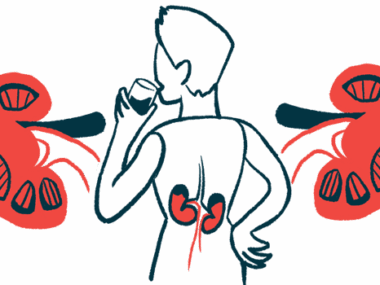
What I have come to understand is that one of the most powerful tools I have is simple, accessible, and often underestimated: water. Staying well-hydrated helps flush the kidneys, reduces the concentration of nephrotoxic substances passing through them, and supports whatever function remains.
I deliberately and consistently drink water every day. My goal is eight 17-ounce bottles per day. On harder days or following procedures, IV hydration becomes part of my care. It’s not glamorous, but hydration is one of the few levers I can actually pull. It has become a beloved friend for me.
If you are living with CF, whether pre- or post-transplant, I want you to know the warning signs of kidney disease, because they can be subtle until they are not. Watch for changes in your urination patterns: frequency, color, foaming, or output. Persistent, unexplained fatigue that goes beyond your baseline exhaustion deserves attention. Swelling in the feet, ankles, hands, or around the eyes can signal that the kidneys are struggling to manage fluid balance. These symptoms are easy to dismiss or attribute to CF itself, which is exactly why they warrant closer attention.
Beyond hydration, managing blood pressure and blood sugar levels, particularly for those of us with CFRD, plays a meaningful role in protecting kidney health. A kidney-friendly, lower-sodium diet reduces the workload on your kidneys and can help slow progression. These are conversations worth having with your care team, your nephrologist, and your CF specialists.
We fight so hard for our lungs, our gut, our bones, and our sinuses. This month, I am asking you to also think about your kidneys. Advocate for monitoring, take hydration seriously, and understand the full picture of what our bodies have been through and what they are navigating right now.
You are not alone in this, and your kidneys deserve the same fierce attention you give everything else.
Here’s wishing everyone in our community strength, hope, and healthier days ahead!
Note: Cystic Fibrosis News Today is strictly a news and information website about the disease. It does not provide medical advice, diagnosis, or treatment. This content is not intended to be a substitute for professional medical advice, diagnosis, or treatment. Always seek the advice of your physician or other qualified health provider with any questions you may have regarding a medical condition. Never disregard professional medical advice or delay in seeking it because of something you have read on this website. The opinions expressed in this column are not those of Cystic Fibrosis News Today or its parent company, Bionews, and are intended to spark discussion about issues pertaining to cystic fibrosis.


Leave a comment
Fill in the required fields to post. Your email address will not be published.