
CF immune cell defects may help dangerous bacteria survive
Study finds Trikafta did not improve macrophages’ ability to kill MABS
Written by |





Macrophages from people with cystic fibrosis (CF) showed multiple defects that may make it harder for them to kill infectious bacteria, a new study reports.
The findings also suggest that treatment with Trikafta (elexacaftor/tezacaftor/ivacaftor) partially improved CFTR function and corrected some macrophage functions, but was not enough to improve the cells’ ability to kill MABS bacteria. These results highlight “the need for alternative, host-targeted approaches for improving macrophage functions in CF,” the researchers said.
Their study, “Multiple defects in macrophage antibacterial responses support intracellular survival of Mycobacterium abscessus in cystic fibrosis,” was published in PNAS.

MABS infections are hard to treat in CF
CF is caused by mutations in the gene that encodes the CFTR protein, which helps regulate the movement of salt and water in and out of cells. When CFTR does not work properly, people with CF produce abnormally thick and sticky mucus, which builds up in the lungs and other organs.
The thick mucus in the lungs provides a fertile breeding ground for bacteria, and as such, bacterial lung infections are a major health concern in CF. One particular species of bacteria known as Mycobacterium abscessus, or MABS, causes hard-to-treat infections that are increasing in prevalence among people with CF.
“MABS is resistant to many antibiotics which makes treatment complex and often unsuccessful,” Peter Sly, MD, senior author of the study at the University of Queensland in Australia, said in a university news story. “The infection can exclude a patient from being eligible for a lung transplant and is a leading cause of death for people with CF. And because of antibiotic resistance, MABS infections are increasing at alarming rates.”
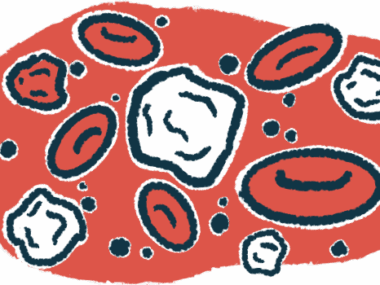
Macrophages are immune cells that play key roles in defending the body against bacterial infections. The word macrophage comes from Greek terms literally meaning “big eater” — these cells normally move through the body, gobbling up and digesting infectious bacteria. Sly compared them to the video game character Pac-Man because of their role in finding and eating bacteria and other pathogens.
CF macrophages struggle to kill MABS bacteria
In their study, Sly and colleagues derived macrophages from people with CF and healthy controls, then tested how well these cells were able to engulf and kill MABS under laboratory conditions. The team found that CF macrophages had less ability to engulf MABS bacteria, and even when the bacteria were engulfed, the CF cells couldn’t kill them as well as macrophages from healthy controls did. The findings suggest CFTR dysfunction impairs several macrophage functions needed to engulf and kill MABS.
Sly noted that CFTR deficiency impaired several key mechanisms that macrophages usually rely on to destroy bacteria, including the production of reactive oxygen-containing molecules and the deployment of bacteria-killing zinc.
Trikafta, sold by Vertex Pharmaceuticals, is a triple-combination therapy containing three CFTR modulators, which are molecules that can improve the activity of the defective CFTR protein in people with CF caused by certain mutations. In further experiments, the researchers found that Trikafta treatment increased CFTR function and corrected some macrophage functions to a degree — however, the therapy did not improve these cells’ ability to kill MABS bacteria.
“[Trikafta] has been revolutionary in CF treatment by improving lung function in many people, meaning fewer exacerbations and hospitalizations. But it doesn’t fix this part of the immune system, which is why people with CF still get these infections,” Sly said. “Our findings show we now need to accelerate research into different mechanisms of increasing macrophage function, to identify and initiate killing strategies for MABS. This could significantly reduce the impact of these infections for people with CF.”
This study was funded in part by Vertex, the Cystic Fibrosis Foundation, the Children’s Health Foundation, and the University of Queensland.



Leave a comment
Fill in the required fields to post. Your email address will not be published.