
Medications gave my daughter a measure of control, but never freedom
Jasmine never had the luxury of forgetting her illness
Written by |





I lost my daughter, Jasmine, to cystic fibrosis (CF) at age 27, but we battled and lived with this rare genetic disease since before she turned 2 years old.
In 1998, when Jasmine was 6, our mornings always started early. The kitchen was never quiet for long — it was our command center. By 7 a.m., I would be lining up her medications on the counter. While most children her age woke with thoughts of cartoons and games, Jasmine woke to the hum of the nebulizer, the sight of pill bottles, and the knowledge that she’d need to swallow another handful of pancreatic enzymes before breakfast. Those had to be taken before eating anything, including fruit, snacks, and, of course, breakfast, lunch, and dinner.
CF shaped every decision before we left the house, and there was no room for forgetting. The medications weren’t optional; they meant the difference between a day at school and a day spent coughing in bed. At 6, Jasmine didn’t always understand why she needed so much medicine, but she knew what happened when she missed a dose. She remembered the burning in her chest, the heaviness in her limbs, and the frustration of watching the world move on without her.

Hoping for stability
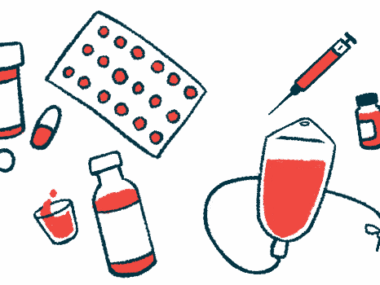
The enzymes came first — tiny pills she took with water before every meal. Without them, her body couldn’t absorb the nutrients she needed. Jasmine learned to count them out herself before she could even read. After the enzymes came the antibiotics — sometimes liquid, sometimes crushed and mixed with whatever tasted best in the fridge. Then came the inhalers, chest physiotherapy, and the half hour every morning and evening spent with the nebulizer. The drugs left a bitter taste and sometimes upset her stomach.
Some mornings, Jasmine resisted her meds, and I had to coax her. There was no room for negotiation. The routine had to be followed.
Each day’s success or failure depended on those medications. When they worked, Jasmine could get through a day of school. She’d come home exhausted, but she could finish her homework and maybe spend a few precious minutes outside. When she got sick, the medications increased, and a call to the pulmonology clinic was needed to monitor her or adjust her treatments. The regimens became stricter. Hospital stays were frequent, and the familiar white walls and antiseptic smell became part of her childhood.
Jasmine never had the luxury of forgetting her illness. Her classmates sometimes asked questions, but most of the time, she was just the quiet girl who missed many school days. She learned to keep her head down and do what was required, and she never complained. There was no time for self-pity.
The medications made a difference, but they couldn’t erase the illness. They bought Jasmine time, giving her a chance to learn to read, draw, and experience her own version of childhood. But they couldn’t make her well. Each day was a balance between what she wanted and what her body would allow. Some days, the exhaustion was too much, and she would simply fall asleep.
There were moments when the weight of it all was obvious. Sometimes, Jasmine would ask if she could skip her treatment just once, and I always had to say no. I watched her watch other children run, knowing she was calculating what she could and couldn’t do. She was careful, older than her years. Jasmine understood, even if she couldn’t put it into words, that the medications weren’t a cure. They were maintenance — a way to hold off the next crisis.
By 1998, I had learned not to hope for miracles. I hoped for stability, for days when Jasmine could walk from the car to the school doors without stopping to catch her breath. I hoped the medications would keep working, that the infections would stay away a little longer, that the next trip to the hospital wouldn’t come too soon.
Jasmine’s life was shaped by the steady presence of CF and by the daily regimen of medications that kept her going. The story of that year — and of her life — wasn’t about overcoming, but rather about enduring. The medications gave her a small measure of control, but never true freedom. That was the reality we lived, measured out in doses and hours, in hope and in resignation.
Note: Cystic Fibrosis News Today is strictly a news and information website about the disease. It does not provide medical advice, diagnosis, or treatment. This content is not intended to be a substitute for professional medical advice, diagnosis, or treatment. Always seek the advice of your physician or other qualified health provider with any questions you may have regarding a medical condition. Never disregard professional medical advice or delay in seeking it because of something you have read on this website. The opinions expressed in this column are not those of Cystic Fibrosis News Today or its parent company, Bionews, and are intended to spark discussion about issues pertaining to cystic fibrosis.


Leave a comment
Fill in the required fields to post. Your email address will not be published.